Sudhanshu
Kaushik
Scholar and advisor on youth, democracy & political communicationWhat I’m thinking aboutHow a party talks to young people decides whether they stay. Broadcast campaigns can win a cycle. Relational organising builds a generation.Cultural microtargetingA term I coined for outreach built from inside a community, through its own languages, faith and regional networks and trusted peer ambassadors, rather than data profiles bought from outside. Published with STSV, 2025.Comparative researchMy dissertation compares how parties court young voters in India, Botswana, Germany and the Nordic countries.
I study how young people win office, help institutions reach them, and work with them to keep it.
- 150+ young officials advised
- 45 democracies
- 2 books
In the field
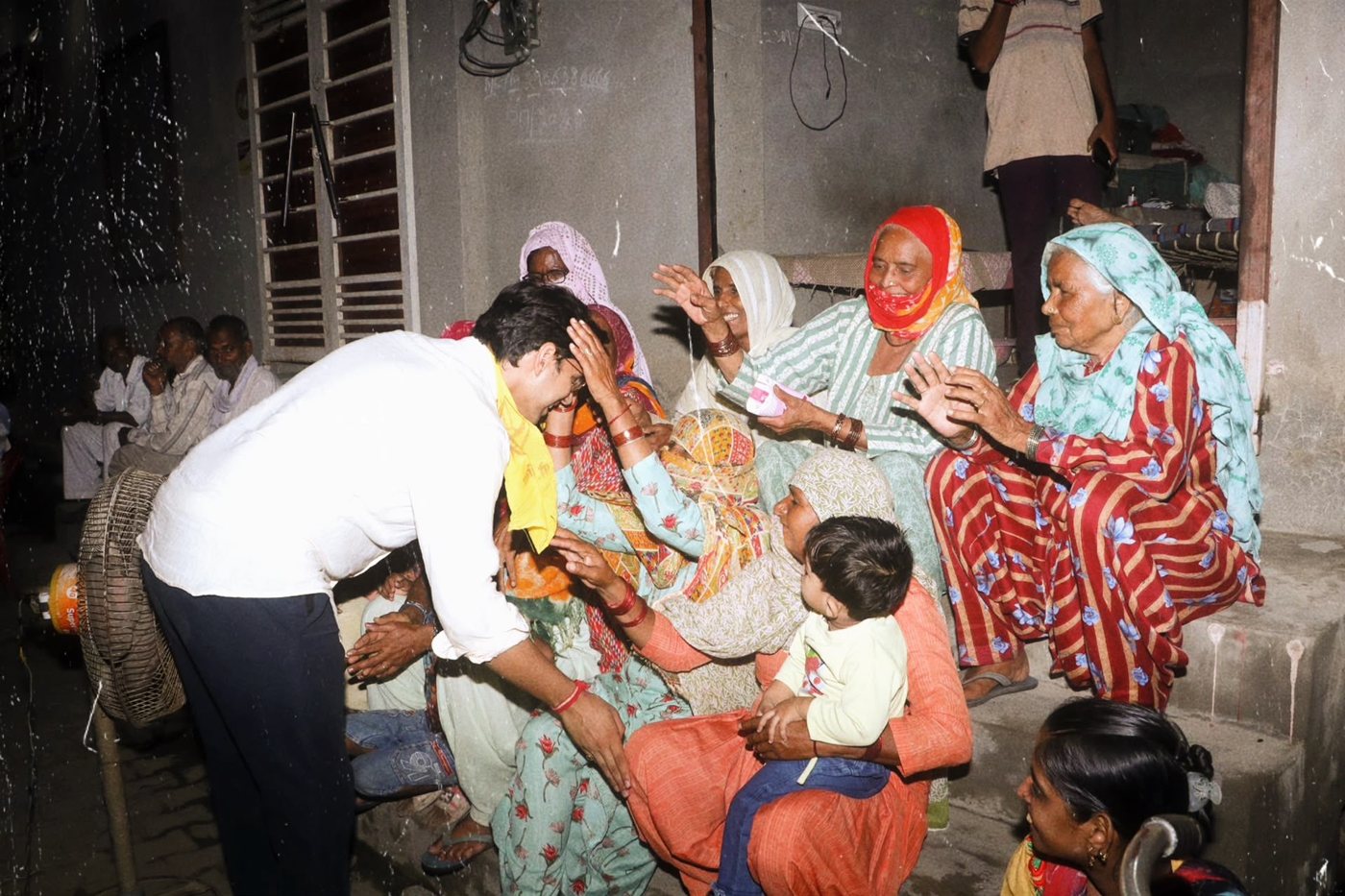
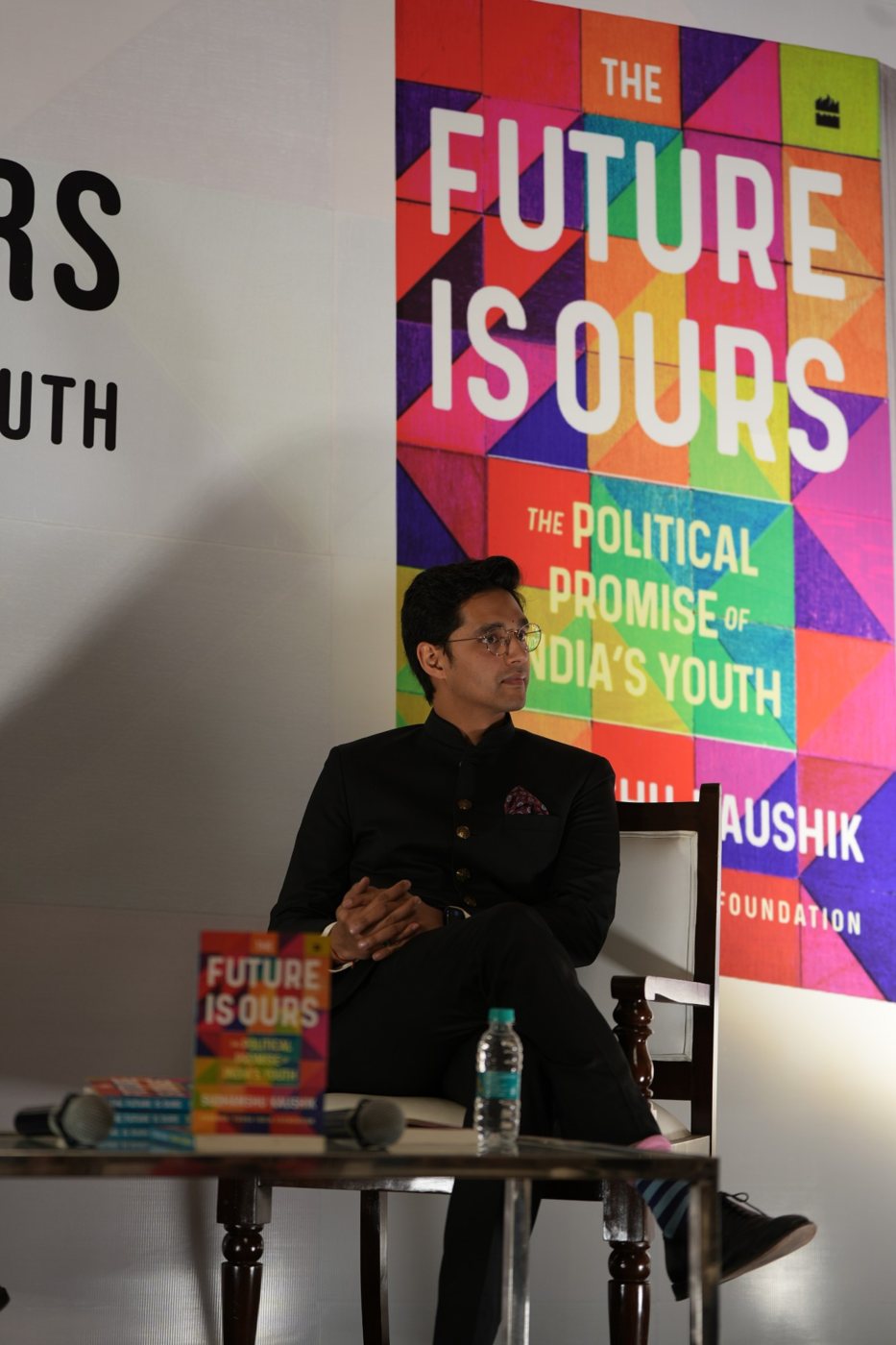
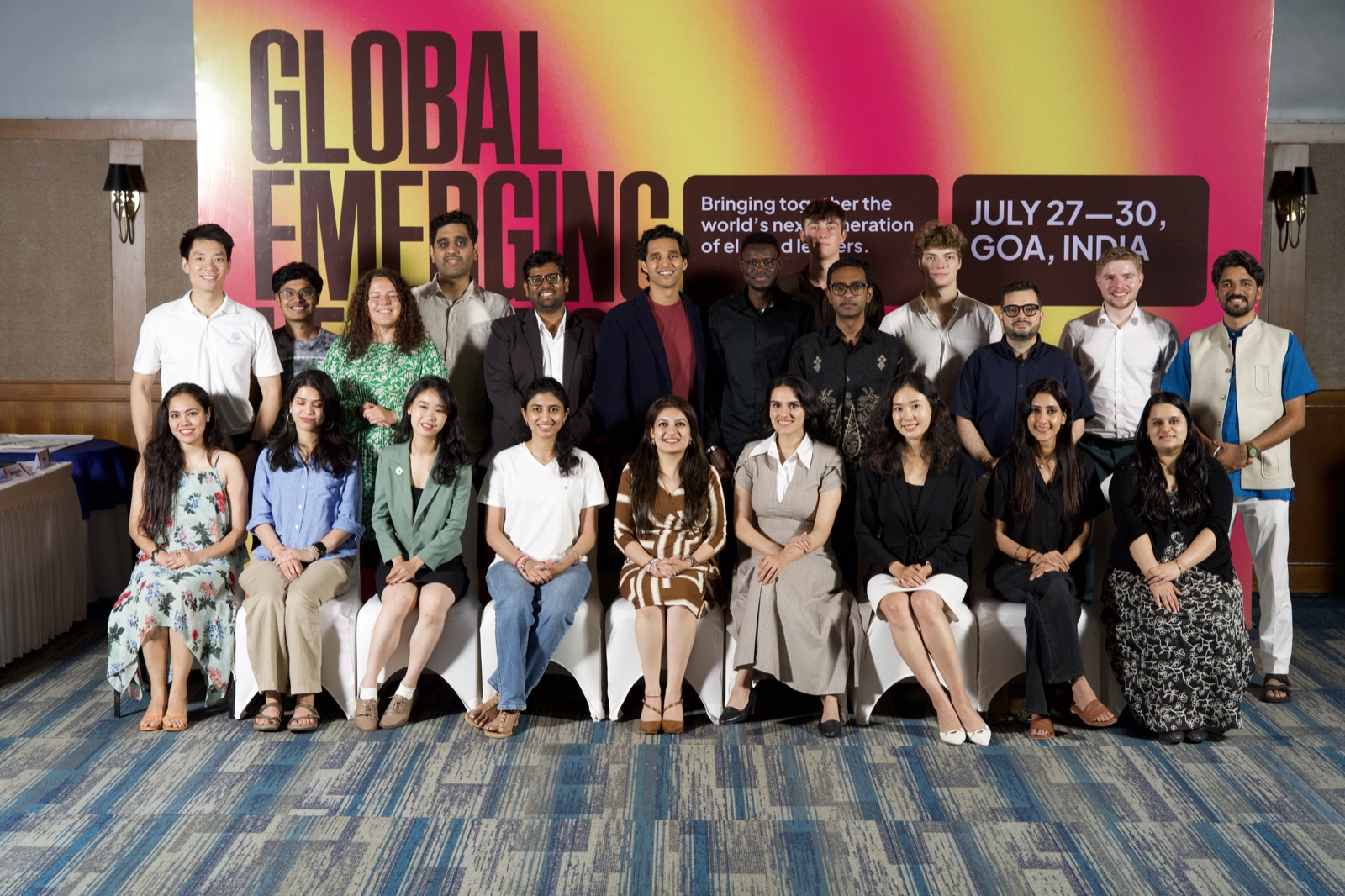
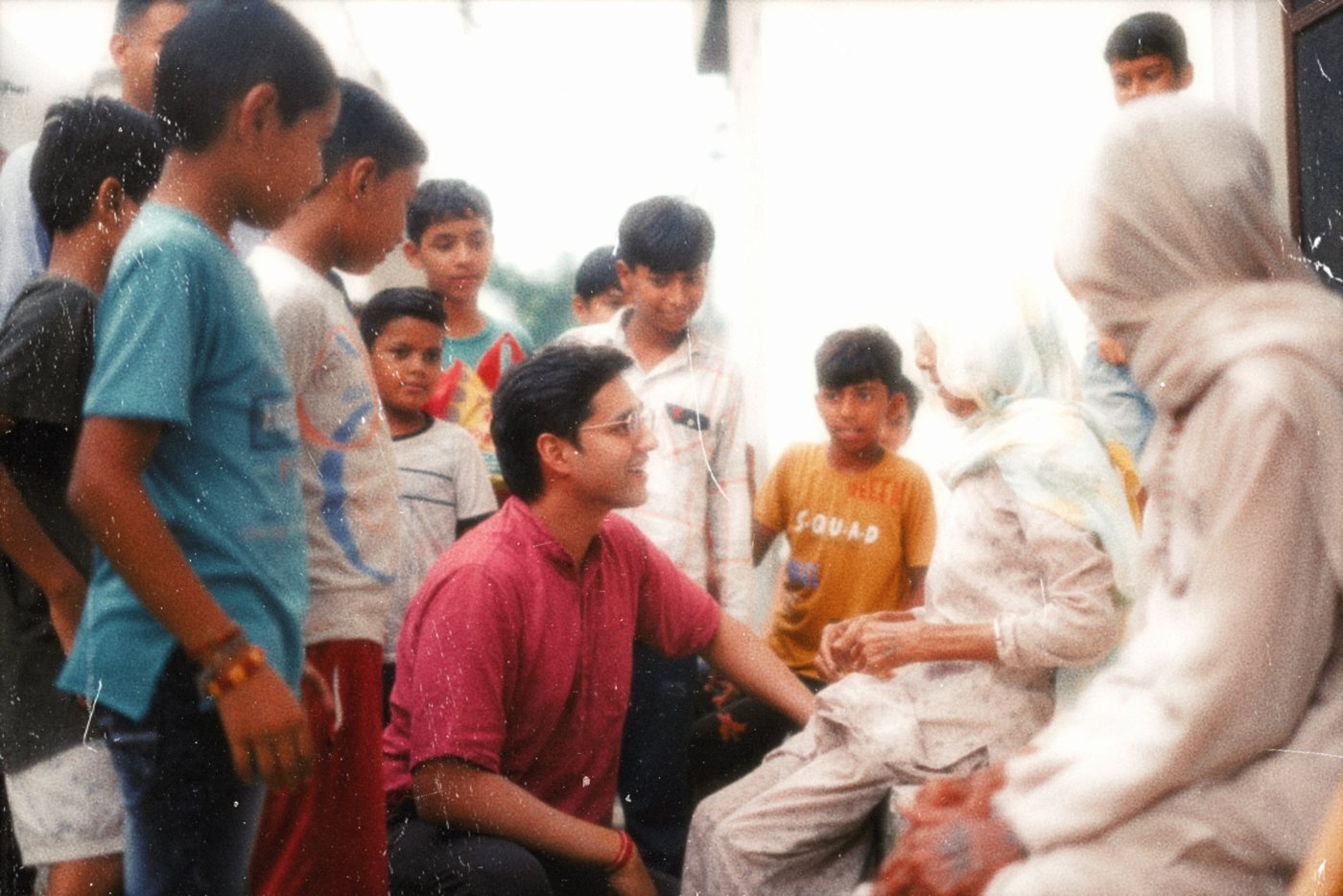
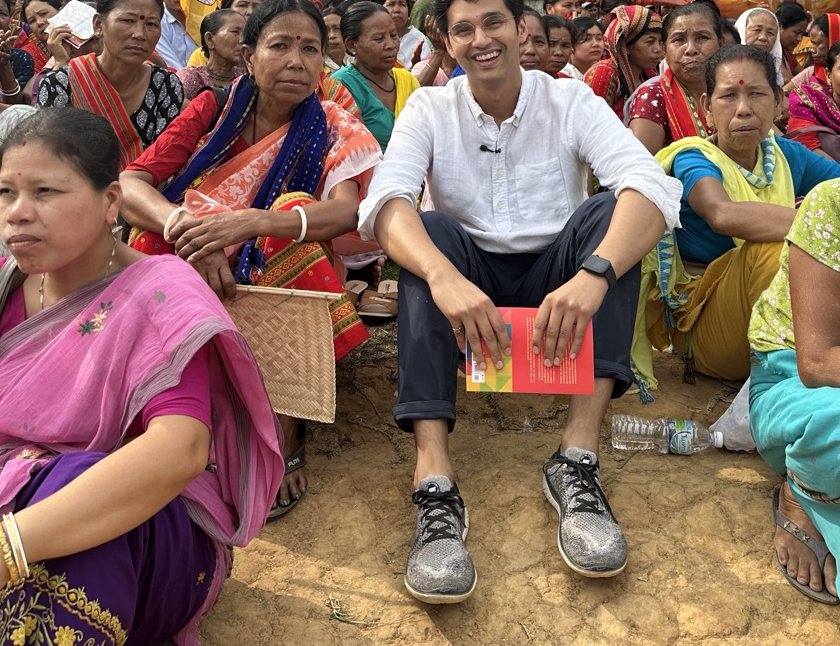
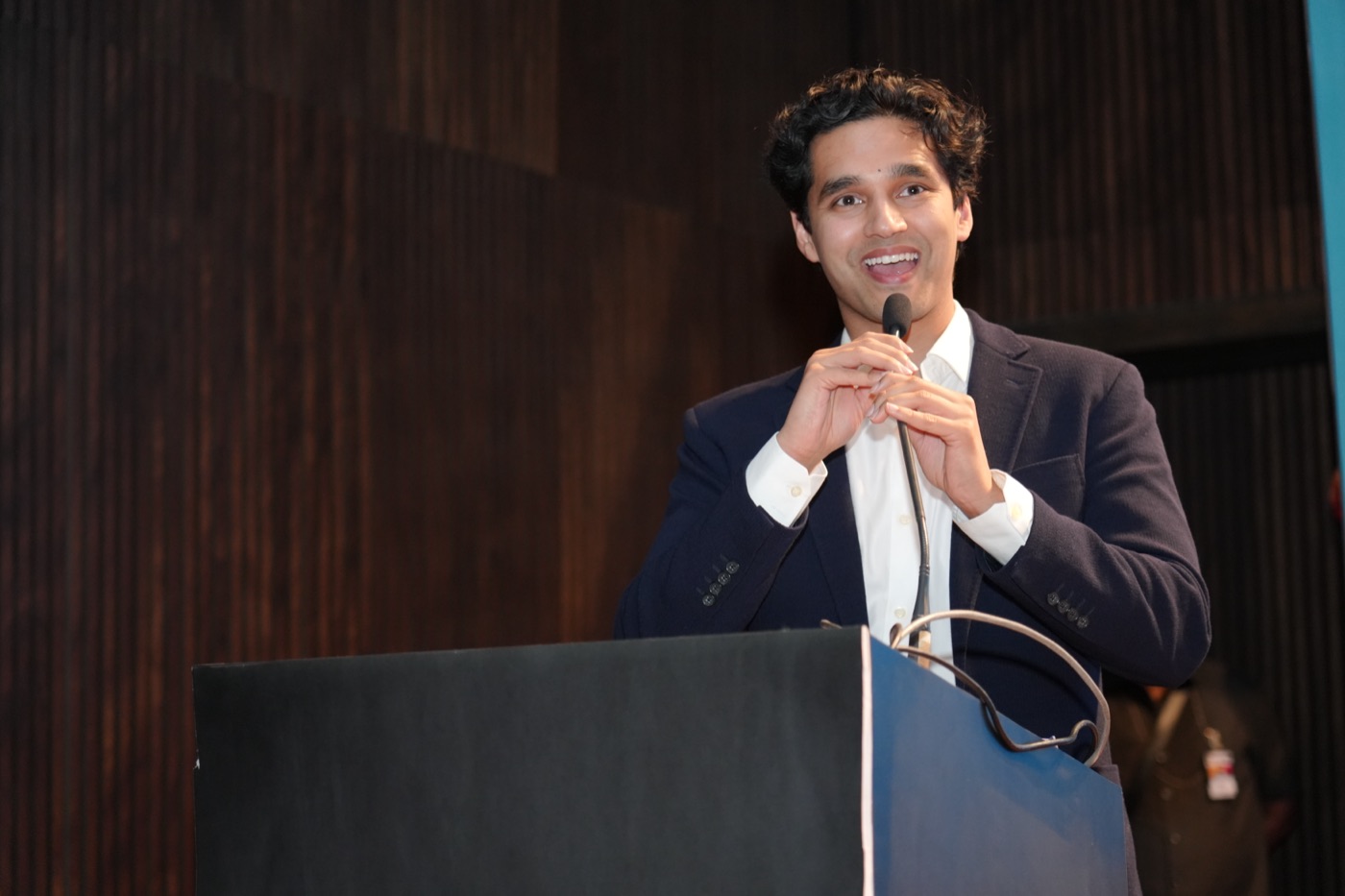
On the ground
Founder & Research DirectorCentre for Youth Policy2024
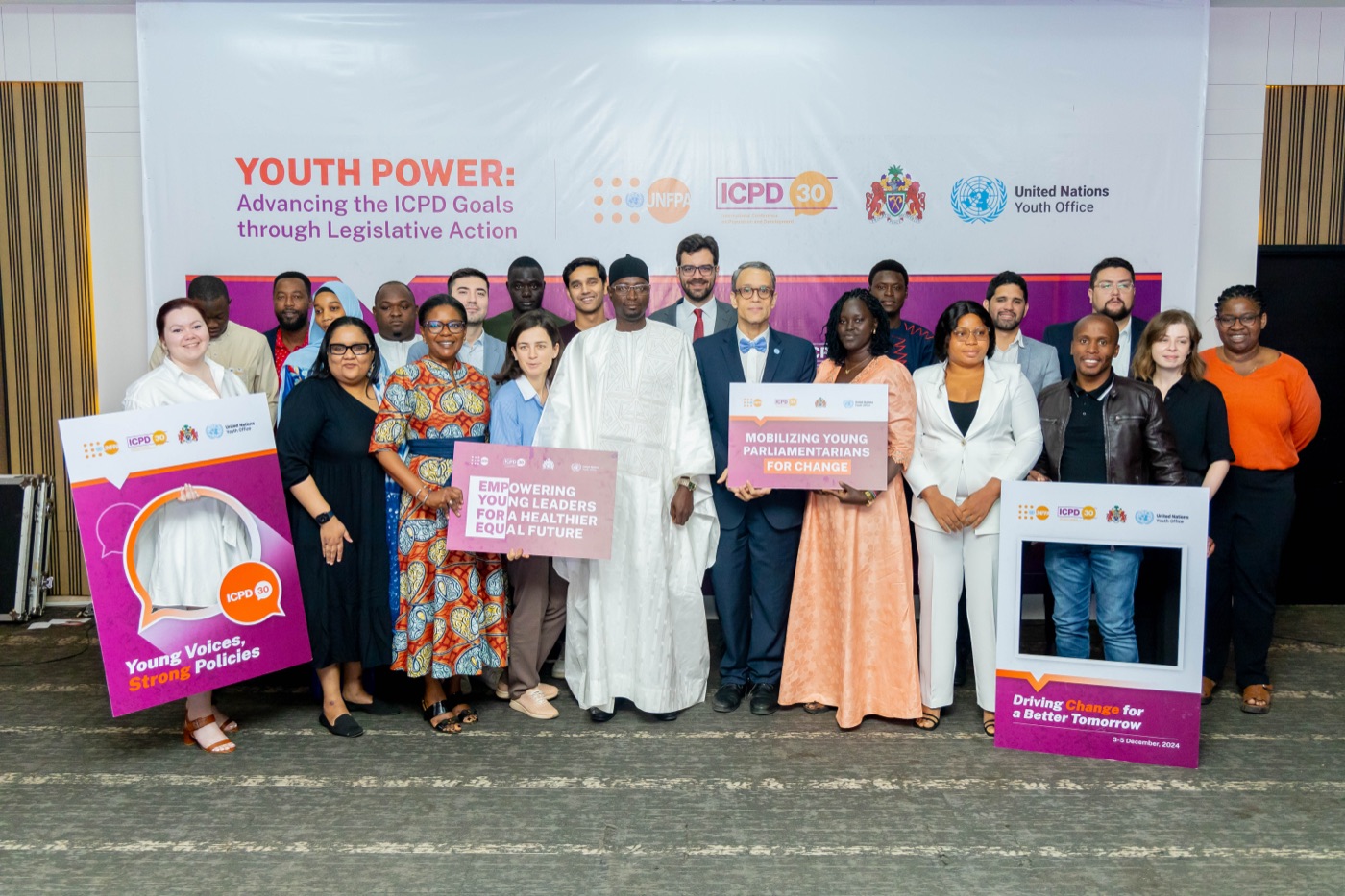
Advises and staffs young elected officials so they can govern, not just win: policy agendas, bill drafting and staff support. Runs six regional networks of young parliamentarians, from West Africa and the Caribbean to the Nordic and Baltic states, the Pacific and the Balkans, and hosts the Youth & Democracy Conference and the Global Emerging Leaders Forum.
- 150+young officials advised
- 45democracies
- 30+bills introduced and passed
- 6regional parliamentary networks
Founder & CEOExalt Data2025
Polling and data on Indian Americans and the wider South Asian American vote. An AI research firm modelling political behaviour, civic engagement and identity among Indians in America, it maps how religion, region, language and generation are read by political targeting systems.
- 1stsystematic ML dataset on diaspora political participation
Executive DirectorNorth American Association of Indian Students2020
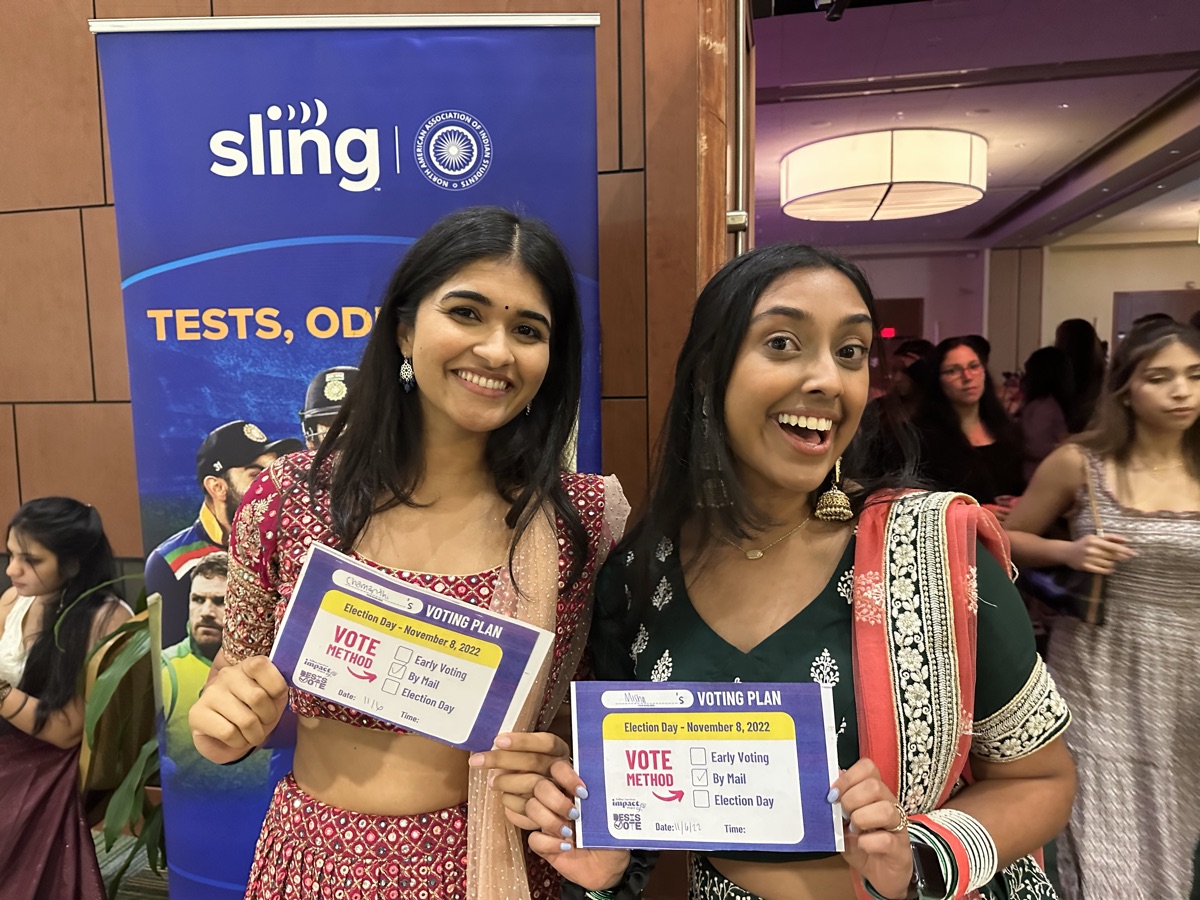
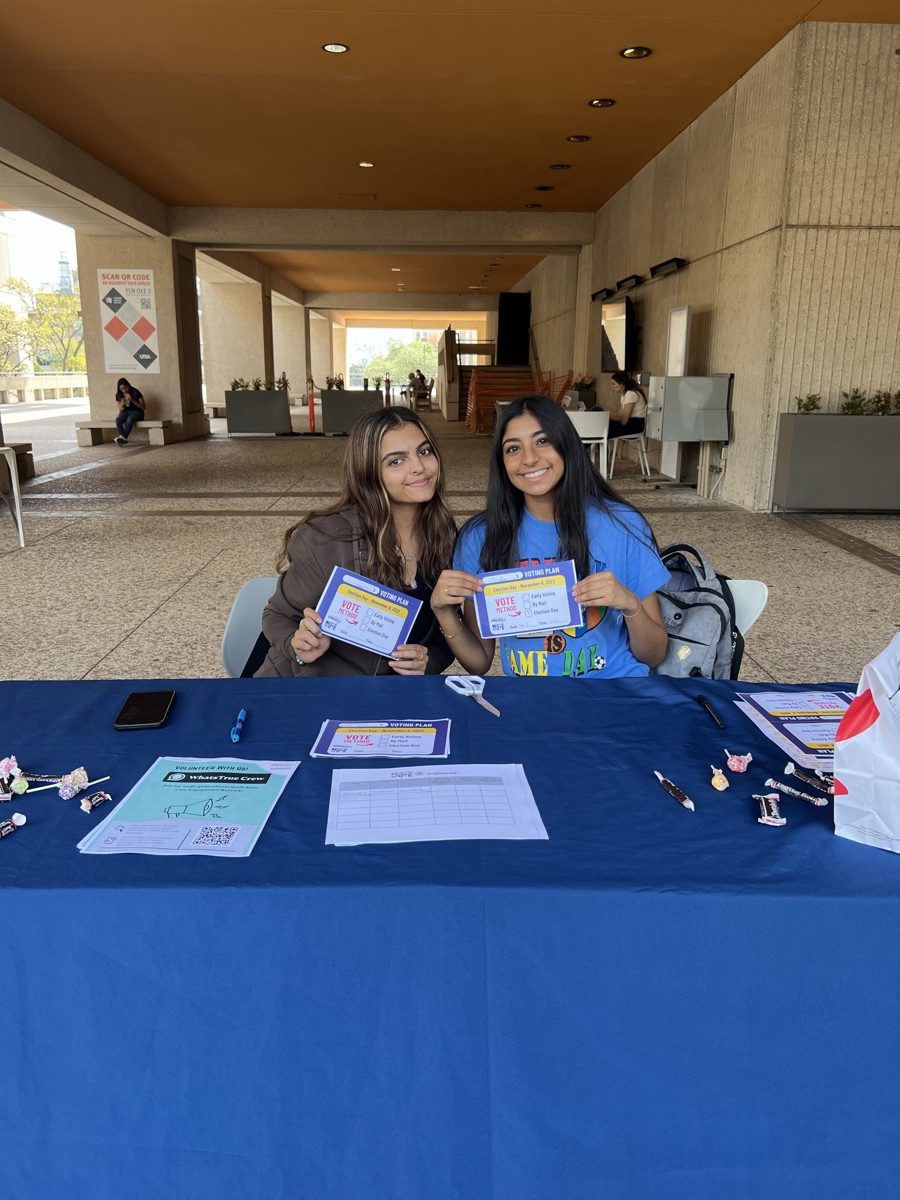
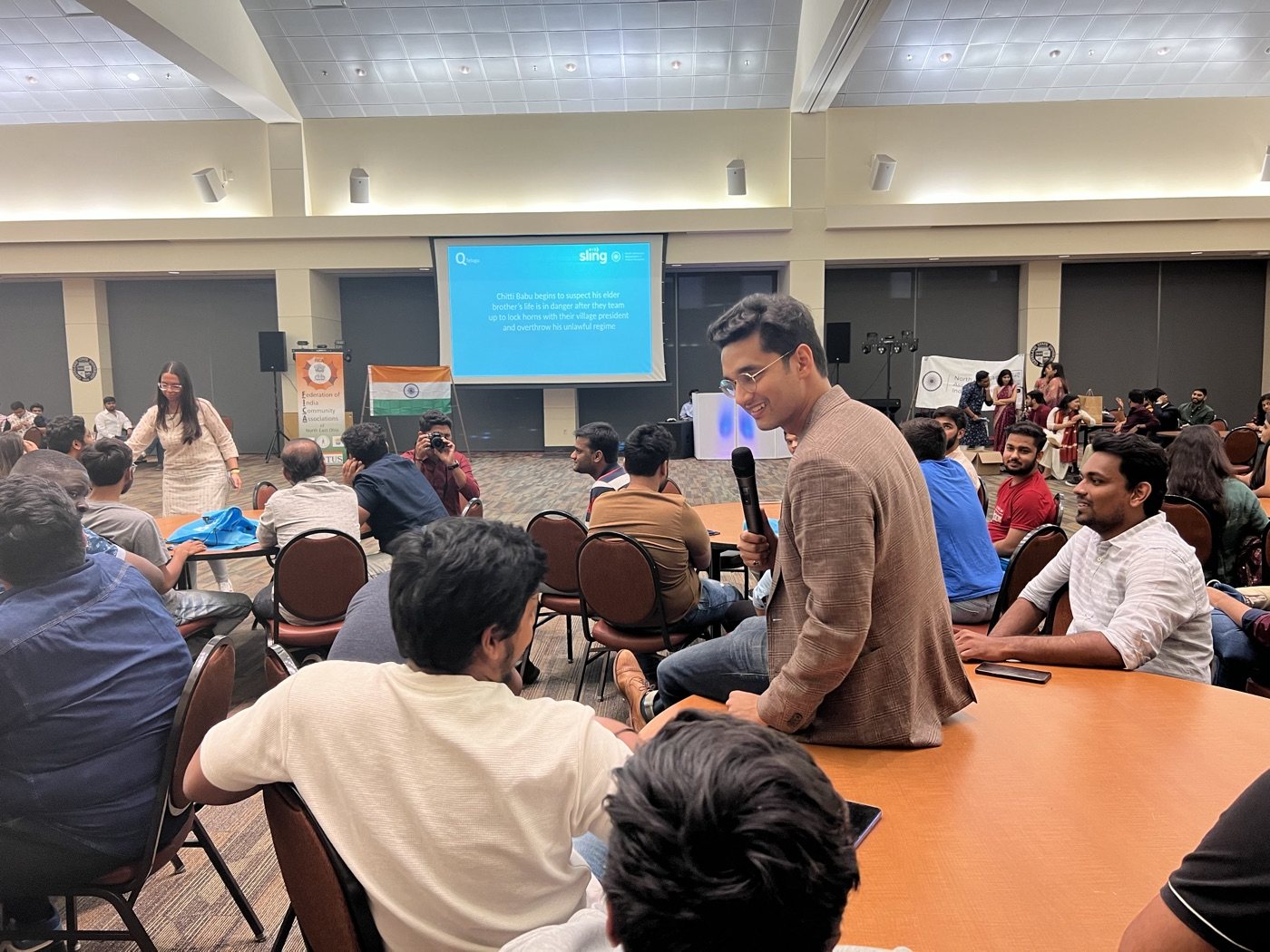
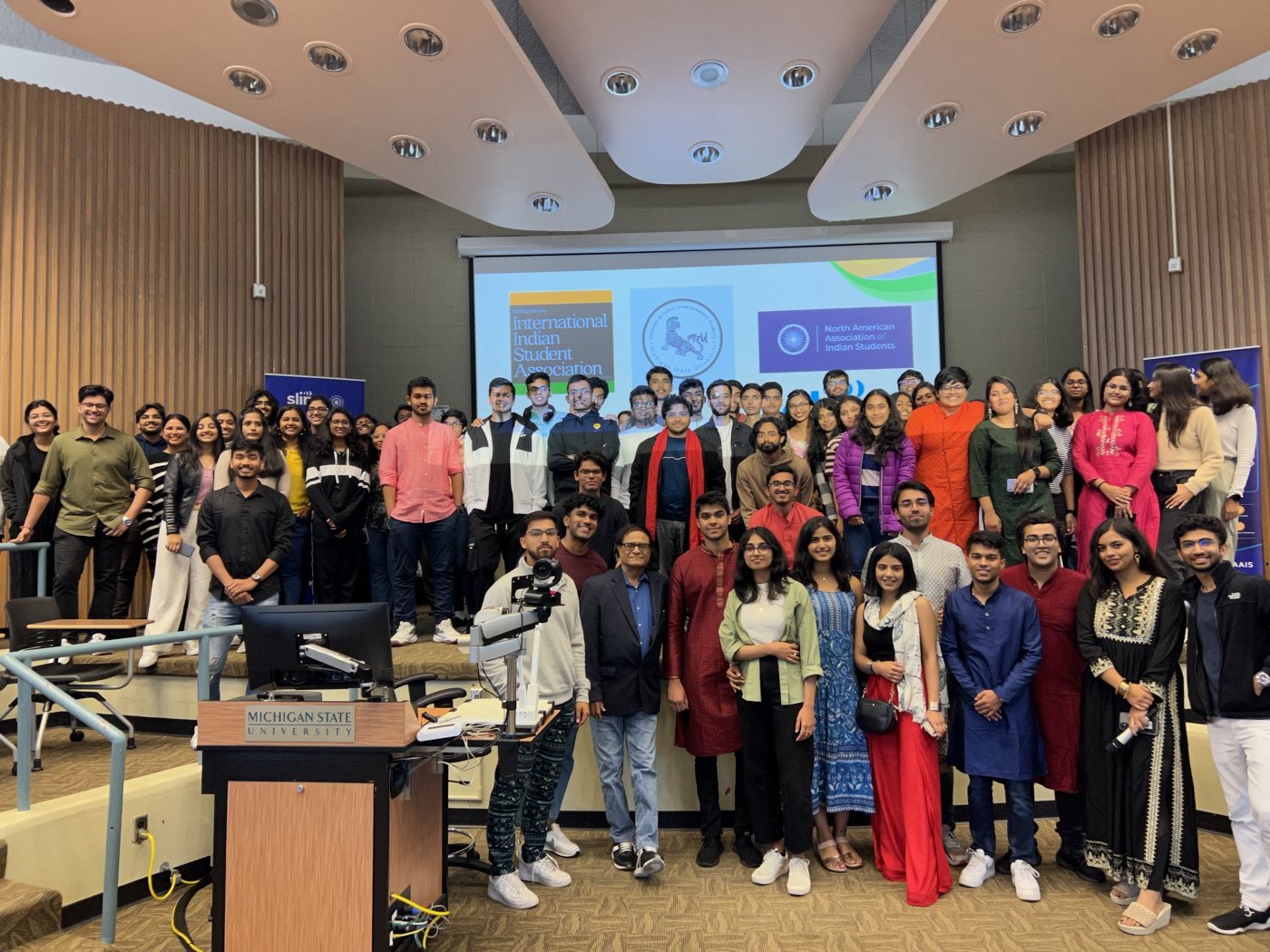
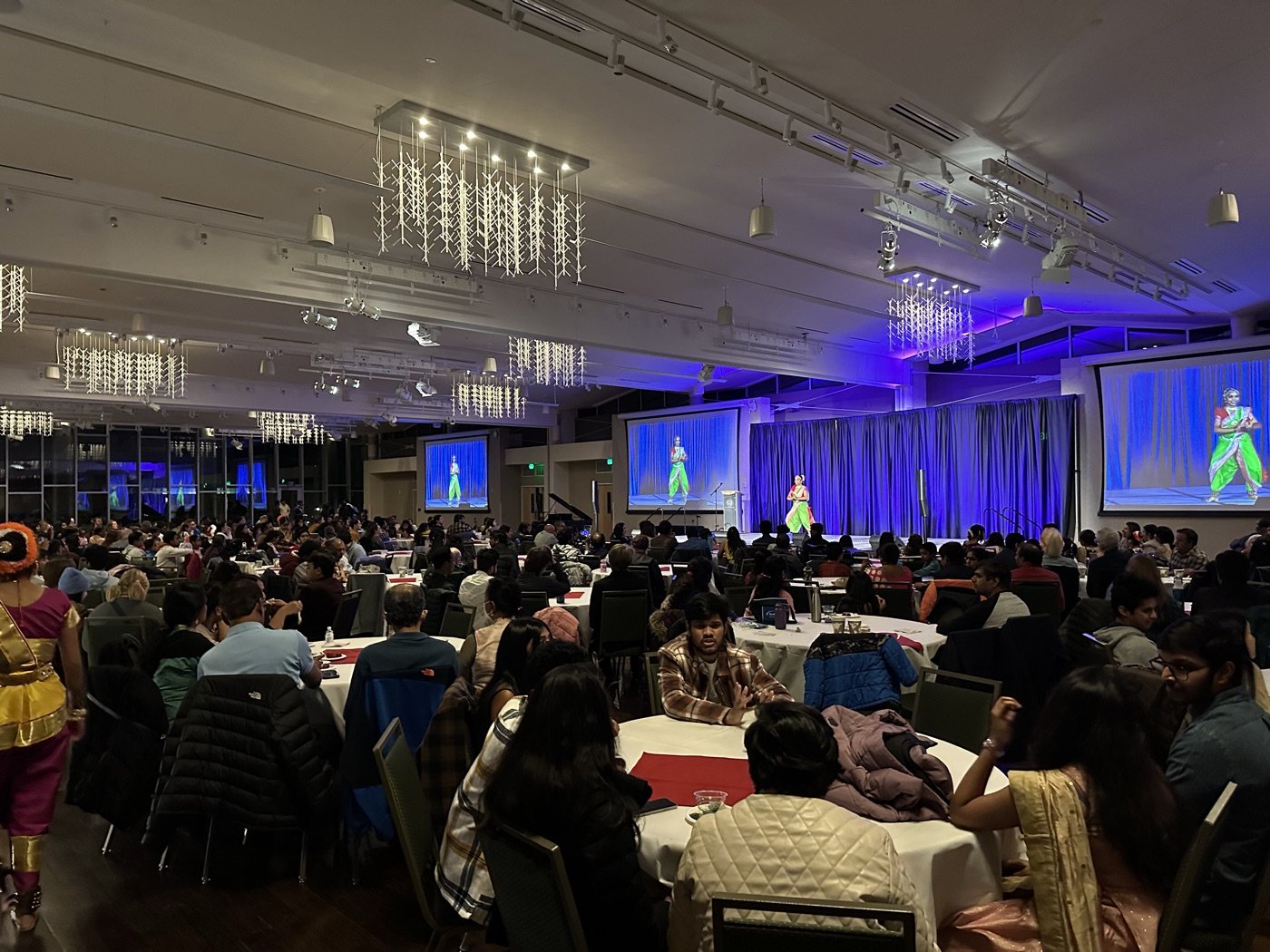
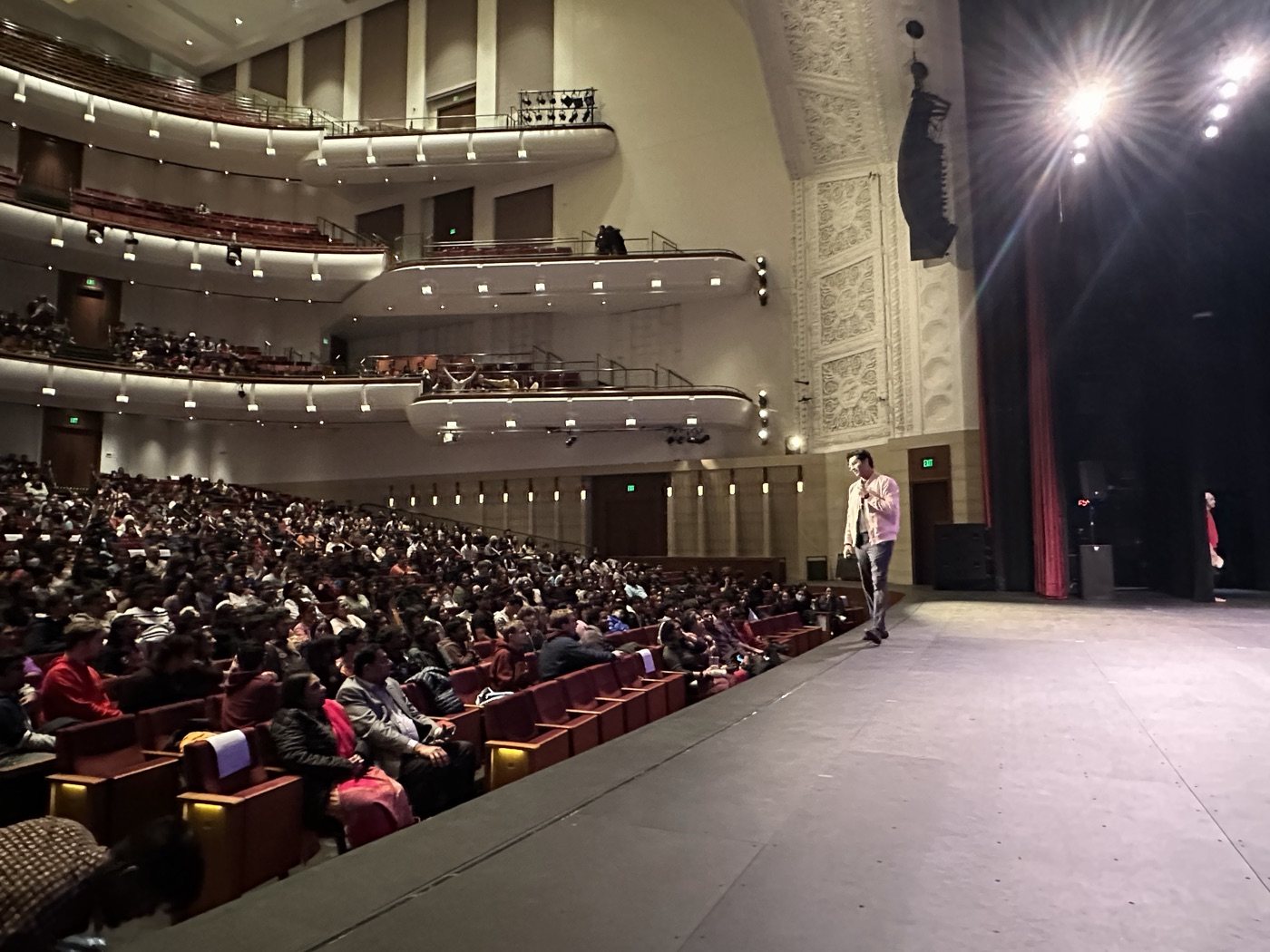
A national 501(c)(3) working on Indian American issues and the 800,000 Indian-origin students in the United States. With ZEE5 and Sling TV, NAAIS took a campus tour to more than 100 universities across the United States, pairing culture nights and Bollywood events with voter registration and student support. It also led the fight against the 2020 student visa restrictions, which were reversed, and briefed more than 60 members of Congress.
- 100+campuses toured with ZEE5 and Sling TV
- 35,000members
- 60+members of Congress briefed
- 72%rise in voter registration
Founder & CEOYoung India Foundation2015–24
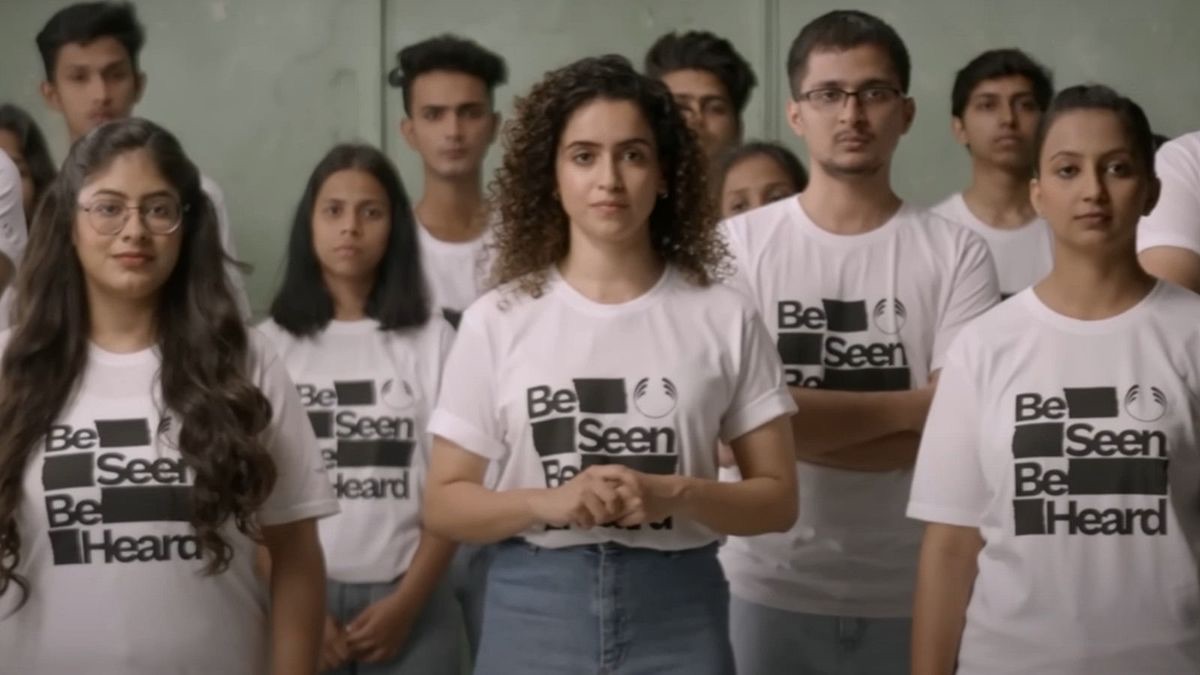
Founded in 2015 and led until 2024, India’s first youth political advocacy group. With The Body Shop, YIF ran Be Seen, Be Heard and the Why25 petition, a national campaign to lower the age to run for the Lok Sabha from 25 to 21 that gathered 25 million signatures and reached a bill in the Rajya Sabha. With Meta and the Election Commission, it ran civic campaigns through tense election cycles that reached 500 million people and registered more than a million first-time voters. YIF also trained young people in conflict mediation in Jammu & Kashmir, Nagaland, Assam and Mizoram.
- 500Mpeople reached with Meta
- 25Mpetition signatures with The Body Shop
- 1M+first-time voters registered
- 15,000young people trained in mediation

Parliamentary networks
I lead six regional networks that give young legislators peers, staff support and a shared agenda across borders.6 networks · 68+ young parliamentarians
68+ young parliamentarians in total. Secretariat: Centre for Youth Policy.
Global convenings
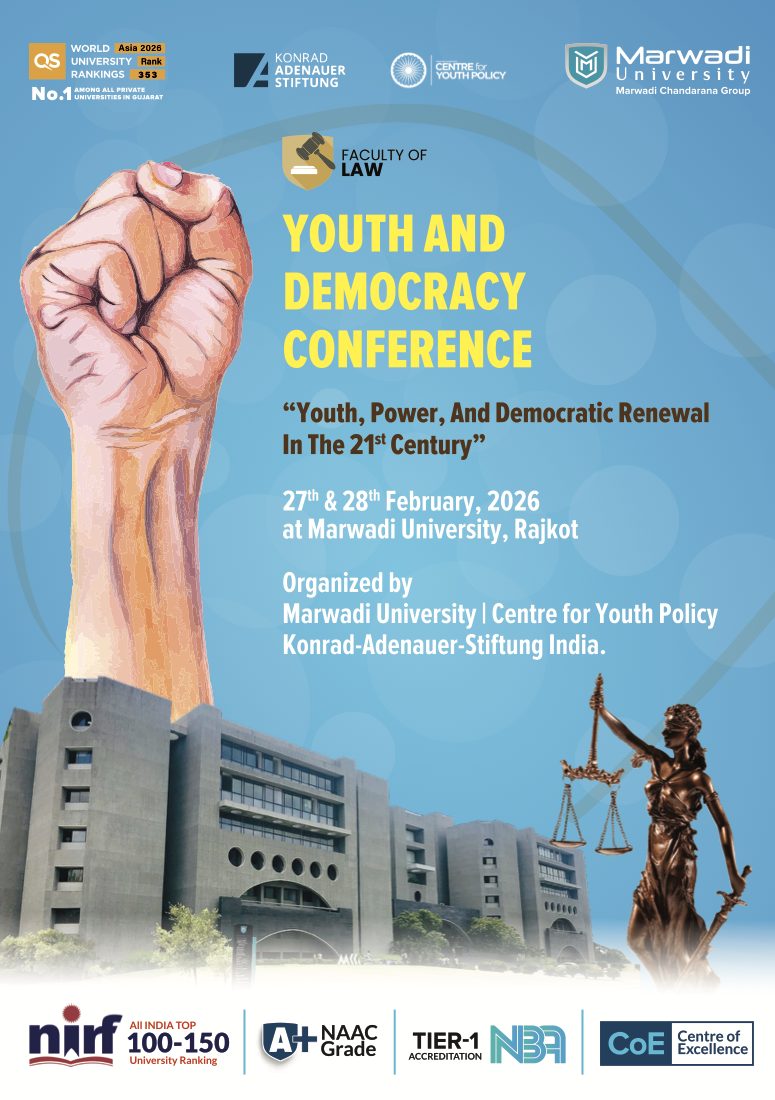
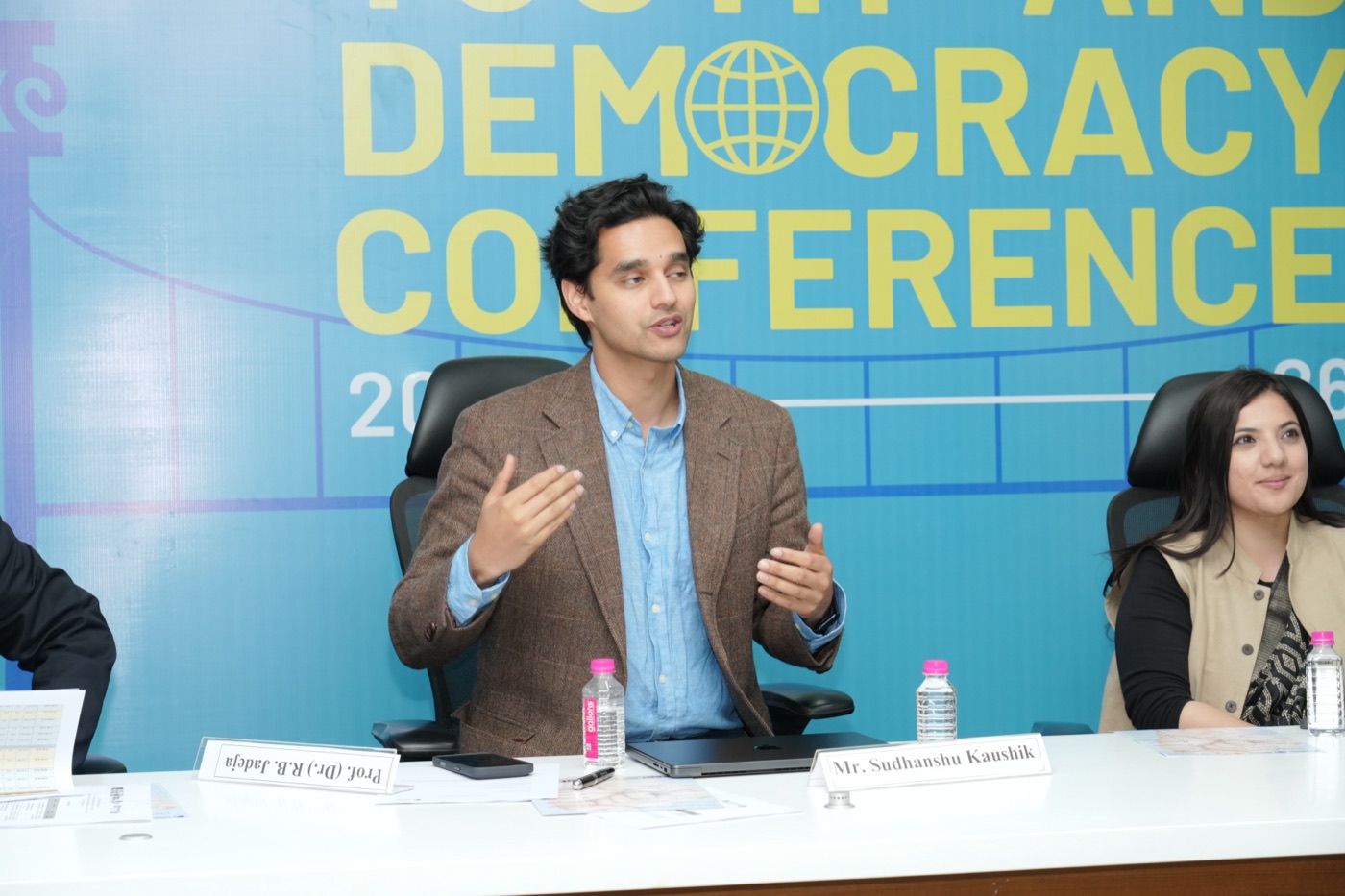
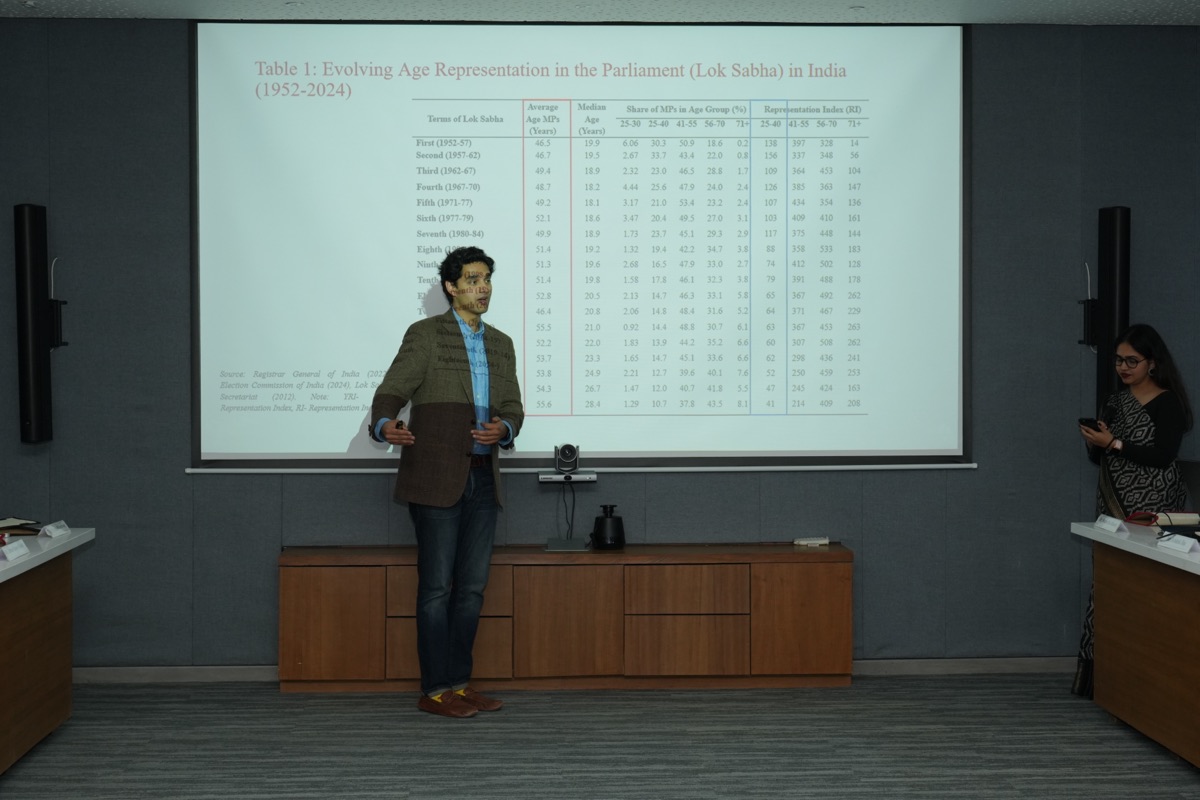
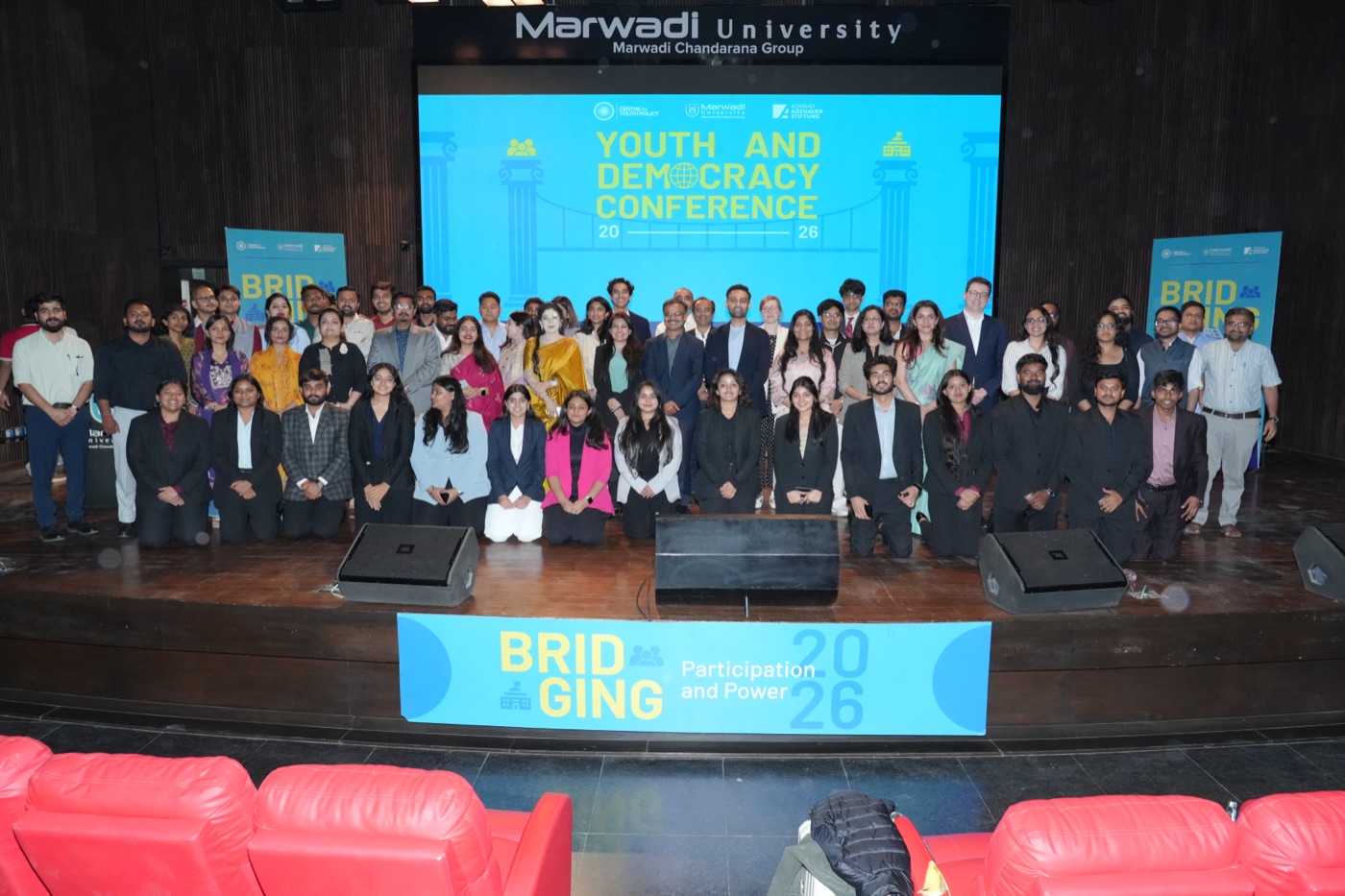
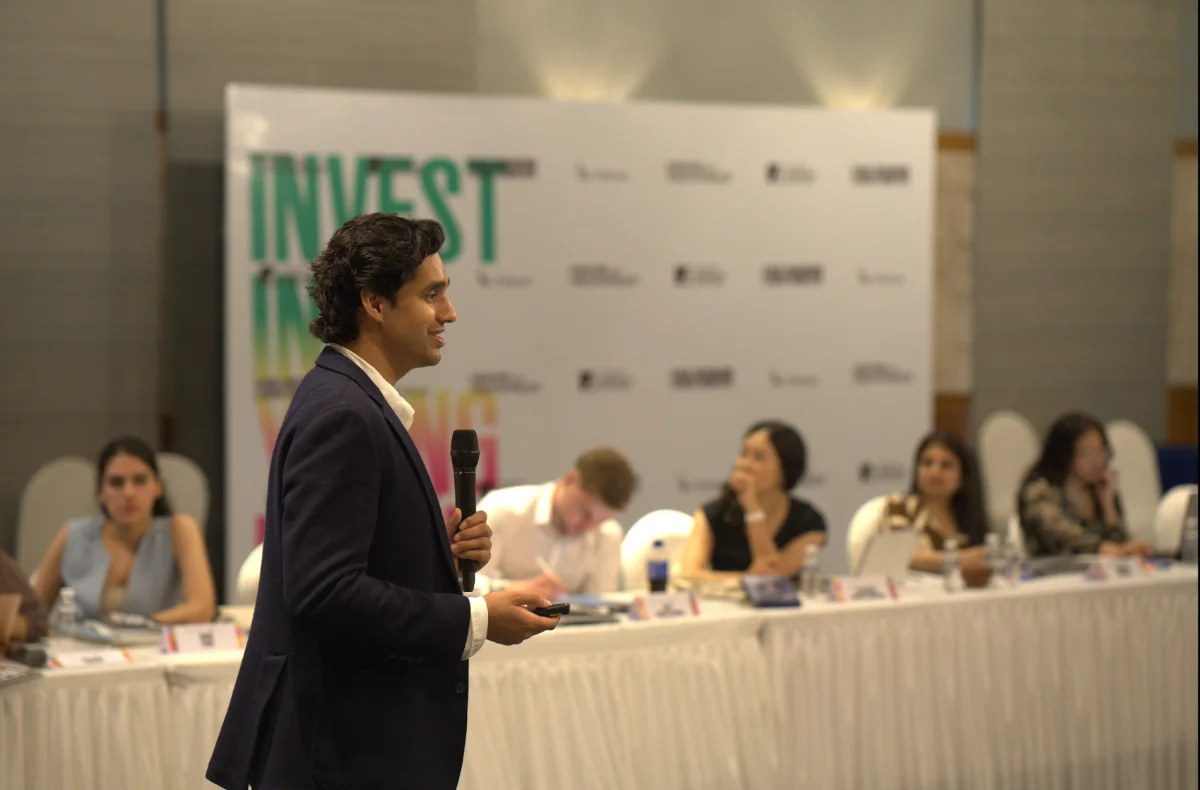
Youth & Democracy ConferenceChair · Marwadi University, Rajkot2026
“Youth, Power and Democratic Renewal in the 21st Century”, organised with Marwadi University and Konrad-Adenauer-Stiftung India in Rajkot, 27–28 February 2026. Academics, elected officials, civil servants and activists asked why young people are left out of the systems they will inherit, and produced six findings, from “underrepresentation is structural, not attitudinal” to “young elected officials need each other.”
- 48speakers
- 15countries
- 500+attendees
- 6findings in the final report
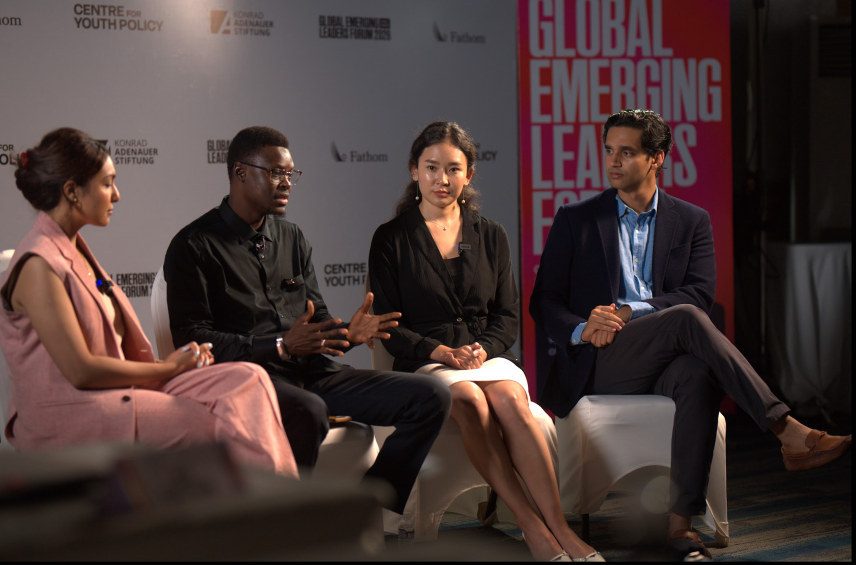
Global Emerging Leaders Forum on DemocracyChair · Goa, India2026
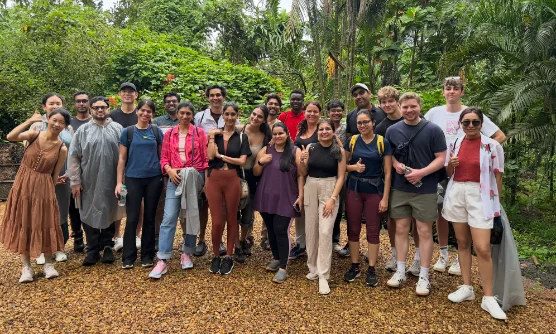
The inaugural forum, 27–30 July 2026 in Goa, convened by the Centre for Youth Policy with Konrad-Adenauer-Stiftung India and Fathom. Thirty young people who already hold elected or appointed office, from MPs and city councillors to a minister of state, a deputy commissioner and a village sarpanch, met closed-door under the Chatham House Rule: no lecterns, no keynotes for show.
It was built on two convictions from our research: youth representation is stalling worldwide, with fewer than 3% of parliamentarians aged 30 or under, and the real problem is retention, not entry. Workshops on governing AI across borders and using AI in public leadership turned that diagnosis into skills, and every delegate left with a place in a peer network spanning South, Southeast and East Asia, West Africa and Europe.
- 30young elected officials
- 11countries
- 3days
- 5themes in the report


India and Pakistan: A Subcontinental AffairOrganiser · New York University2016
Civic & Political Communication
Communications AdvisoryElectoral cycles in The Gambia, Zimbabwe, Moldova, Malaysia, Malta, India and the US2014
Strategic communication through election periods, with a focus on reconciliation and peace messaging in post-transition democracies, and on bringing young people into civic life as voters, volunteers and candidates.
- 7countries
- 6electoral cycles since 2014
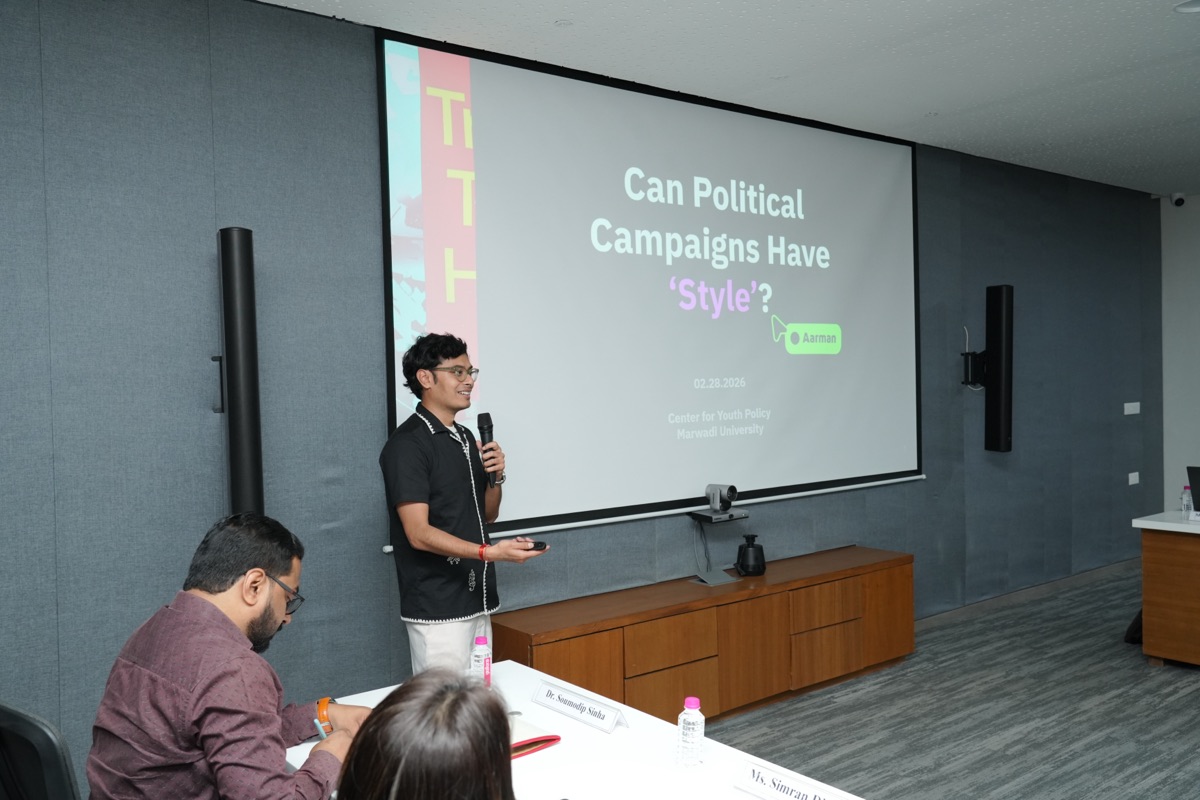
Cultural MicrotargetingA term I coined · research and field method, NAAIS2025
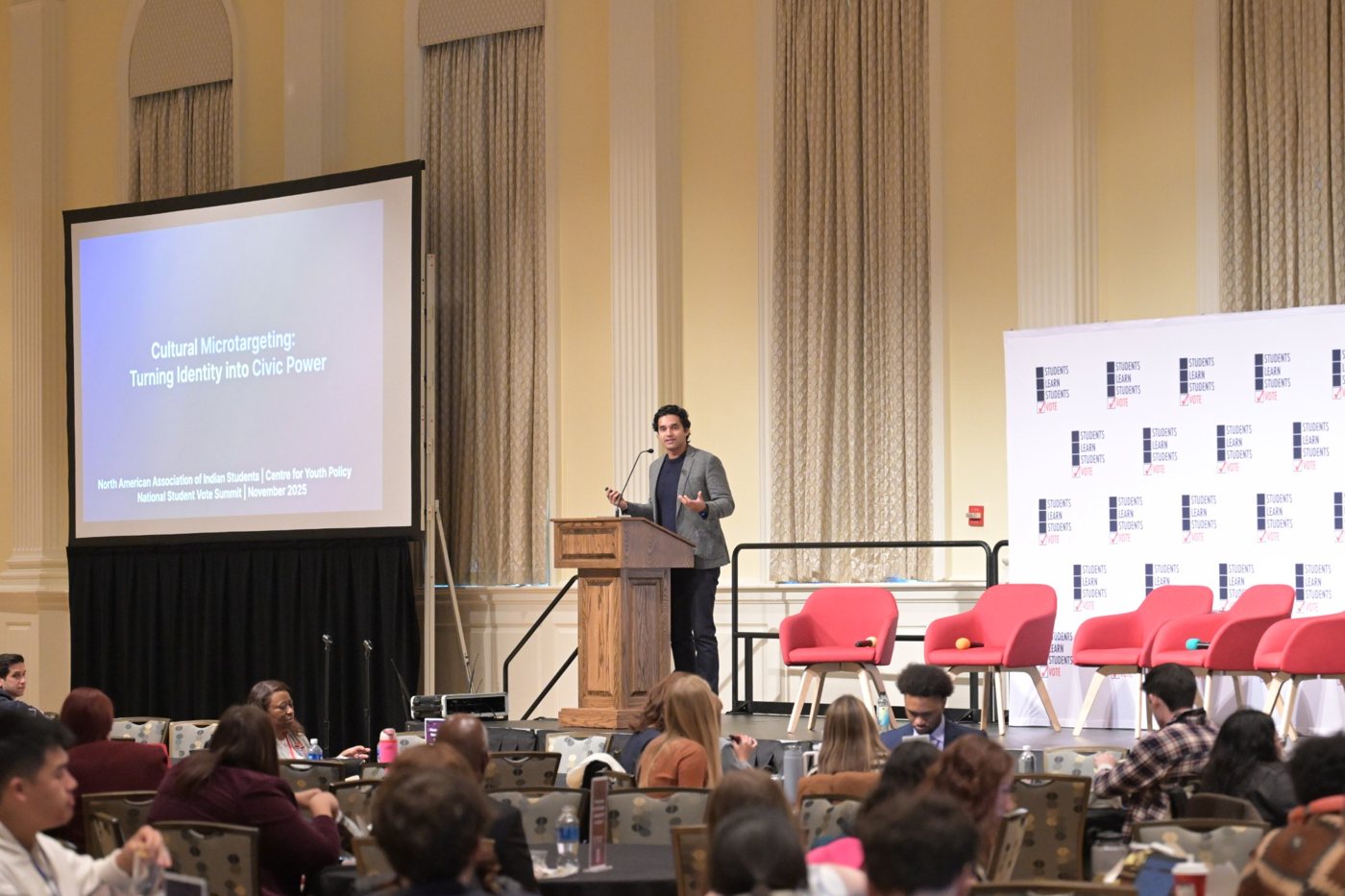
A term I coined for civic outreach built from inside a community, through its own languages, faith, regional networks and trusted peer ambassadors, rather than data profiles bought from outside. I built the method with 24 Indian student associations in 8 states; voter registrations rose 72% over the previous cycle. Published with STSV and presented at the National Student Vote Summit, November 2025.
- 24student associations
- 8states
- 72%rise in registrations
Speechwriter & Political AdvisorPermanent Mission of India to the UN2015
Speeches for the Deputy Permanent Representative at the General Assembly and key summits. Delegate to the First Committee, liaison to nine Caribbean states, and drafter on the Somalia piracy contact group.
- 190+member states in the room
- 9Caribbean states as liaison
Academic
Doctor of International AffairsJohns Hopkins SAIS2027
Why do parties reaching for young voters choose different ways of talking to them, and which choices last? The dissertation argues that party leaders face one core choice: broadcast mobilisation, which treats young people as an audience to activate, or relational organising, which treats them as political actors to develop. That choice decides whether young voters become a durable part of a party’s coalition or drift away when governing gets hard. Three factors shape the effect: the media and electoral system, whether the party genuinely gives young members power, and whether young leaders are visible at the top.
- 4–5country cases
- 2027expected completion
- INIndiaThe world’s largest electorate
- BWBotswanaOne of Africa’s longest-running multiparty democracies, and its first change of government in 2024
- DEGermanyA mixed-member proportional system with long-established party youth wings
- NOThe Nordic countriesConsensus-based democracies with strong party youth organisations
- +1A fifth caseTo be confirmed
DataAge-disaggregated election returns, national election studies, Afrobarometer and Lokniti-CSDS surveys, party documents and campaign materials coded on four indicators, and interviews with party strategists, youth-wing leaders and young elected officials.
MBA, Edwardson Civic ScholarUniversity of Chicago Booth School of Business2024
Selected as an Edwardson Civic Scholar, Booth’s highly selective full-tuition scholarship for MBA students building careers in government and the nonprofit sector. Named for John and Fran Edwardson after their $14 million commitment, the programme pairs each small cohort with civic leaders and dedicated faculty advisers, through retreats, roundtables and hands-on leadership work, to bring business tools to public service.
- Fulltuition scholarship
- 2022–24at Booth
MSc, Modern South AsiaUniversity of Oxford2018
BA, International RelationsNew York University2017
Teaching
Graduate courses taught at Bhagwan Parshuram College, Kurukshetra University. Syllabi available on request.
Political Careers and Legislative RetentionAfter the Win · Bhagwan Parshuram College, Kurukshetra UniversityFall 2026
Most research asks how young people get elected. This course asks what happens next: why so many young legislators leave after one term, and what staffing, renomination rules and party structures have to do with it. It draws on the After They Win survey of 100 officials in 73 countries.
- Graduatelevel
- 14weeks
- Seminarformat
Assessment
- Participation15%
- Two case memos30%
- Interview project20%
- Final retention plan35%
- 01The retention problemKaushik, After They Win (2026); Matland & Studlar, “Determinants of Legislative Turnover,” British Journal of Political Science (2004)
- 02Political ambitionSchlesinger, Ambition and Politics (1966); Lawless, Becoming a Candidate (2012)
- 03The legislative careerMayhew, Congress: The Electoral Connection (1974); Squire, “Legislative Professionalization and Membership Diversity in State Legislatures,” Legislative Studies Quarterly (1992)
- 04Staff, money and timeFenno, Home Style (1978); Hall, Participation in Congress (1996)
- 05Renomination and party gatekeepersHazan & Rahat, Democracy within Parties (2010); Carey & Shugart, “Incentives to Cultivate a Personal Vote,” Electoral Studies (1995)
- 06Incumbency outside the United StatesUppal, “The Disadvantaged Incumbents,” Public Choice (2009); Klašnja & Titiunik, “The Incumbency Curse,” American Political Science Review (2017)
- 07Age and governingStockemer & Sundström, Youth Without Representation (2022), selected chapters
- 08Clientelism and party pressureStokes, Dunning, Nazareno & Brusco, Brokers, Voters, and Clientelism (2013); Chandra, Why Ethnic Parties Succeed (2004)
- 09Transitional democraciesCarothers, “The End of the Transition Paradigm,” Journal of Democracy (2002); Levitsky & Way, Competitive Authoritarianism (2010)
- 10Democratic backslidingBermeo, “On Democratic Backsliding,” Journal of Democracy (2016); Levitsky & Ziblatt, How Democracies Die (2018)
- 11Intimidation and violence against officialsKrook, Violence against Women in Politics (2020)
- 12Peer networks and parliamentary supportIPU, Youth Participation in National Parliaments (2021); Kaushik, After They Win, recommendations
- 13Designing institutional reformNorris, Why Electoral Integrity Matters (2014)
- 14Presentations: retention plans
Youth, Demography and Political ParticipationGeneration Vote · Bhagwan Parshuram College, Kurukshetra UniversityFall 2025
Why do many of the world’s youngest societies have some of its oldest legislatures? This course examines how age shapes turnout, party attachment and representation, using comparative data and case studies from India, Africa, Europe and the United States.
- Graduatelevel
- 14weeks
- Seminarformat
Assessment
- Participation20%
- Weekly response papers20%
- Data exercise20%
- Final policy memo40%
- 01Why age matters in politicsStockemer & Sundström, Youth Without Representation (2022), ch. 1; IPU, Youth Participation in National Parliaments (2021)
- 02Generations and cohortsMannheim, “The Problem of Generations” (1928); Inglehart, The Silent Revolution (1977)
- 03Demography and the youth bulgeUrdal, “A Clash of Generations? Youth Bulges and Political Violence,” International Studies Quarterly (2006); Goldstone, Revolution and Rebellion in the Early Modern World (1991), selections
- 04Turnout and the habit of votingPlutzer, “Becoming a Habitual Voter,” American Political Science Review (2002); Franklin, Voter Turnout and the Dynamics of Electoral Competition (2004)
- 05Registration and mobilisationGerber & Green, “The Effects of Canvassing, Telephone Calls, and Direct Mail on Voter Turnout,” APSR (2000); Green & Gerber, Get Out the Vote (4th ed., 2019)
- 06Political socialisationJennings & Niemi, Generations and Politics (1981); Verba, Schlozman & Brady, Voice and Equality (1995)
- 07Candidacy age lawsKaushik, The Future Is Ours (2023), selected chapters; IPU country data
- 08Parties and candidate recruitmentNorris & Lovenduski, Political Recruitment (1995); Hazan & Rahat, Democracy within Parties (2010)
- 09Quotas and reserved seatsKrook, Quotas for Women in Politics (2009); Dahlerup (ed.), Women, Quotas and Politics (2006)
- 10Descriptive representationPitkin, The Concept of Representation (1967); Mansbridge, “Should Blacks Represent Blacks and Women Represent Women?” Journal of Politics (1999)
- 11Protest and non-electoral participationNorris, Democratic Phoenix (2002); Dalton, The Good Citizen (2008)
- 12Digital participationBennett & Segerberg, The Logic of Connective Action (2013); Tufekci, Twitter and Tear Gas (2017)
- 13Case study: IndiaChhibber & Verma, Ideology and Identity (2018); Kaushik, The Future Is Ours (2023)
- 14Presentations: reform memos
Political Parties and Strategic CommunicationThe Message Machine · Bhagwan Parshuram College, Kurukshetra UniversityWinter 2025
How do parties decide what to say, and to whom? This course combines party theory with applied communication: framing, speechwriting, voter targeting and disinformation, with particular attention to young and diaspora voters. Students write and defend a campaign brief.
- Graduatelevel
- 10weeks
- Workshopformat
Assessment
- Participation15%
- Message audit20%
- Speech draft25%
- Campaign brief and pitch40%
- 01What parties are forAldrich, Why Parties? (1995); Lipset & Rokkan, “Cleavage Structures, Party Systems, and Voter Alignments” (1967)
- 02Party brands and votersDowns, An Economic Theory of Democracy (1957), selections; Lupu, Party Brands in Crisis (2016)
- 03FramingEntman, “Framing: Toward Clarification of a Fractured Paradigm,” Journal of Communication (1993); Chong & Druckman, “Framing Theory,” Annual Review of Political Science (2007); Lakoff, Don’t Think of an Elephant! (2004)
- 04Rhetoric and speechwritingAristotle, Rhetoric, Book I; Tulis, The Rhetorical Presidency (1987)
- 05Persuasion and the swing voterHillygus & Shields, The Persuadable Voter (2008); Issenberg, The Victory Lab (2012)
- 06Data and microtargetingHersh, Hacking the Electorate (2015); Kreiss, Prototype Politics (2016)
- 07Messaging in divided societiesHorowitz, Ethnic Groups in Conflict (1985), selections; Reilly, Democracy in Divided Societies (2001)
- 08Disinformation and foreign interferenceBenkler, Faris & Roberts, Network Propaganda (2018); Rid, Active Measures (2020)
- 09Reaching young and first-time votersSloam, “Rebooting Democracy: Youth Participation in Politics in the UK,” Parliamentary Affairs (2007); Kaushik, “What is Cultural Microtargeting,” STSV (2025)
- 10Workshop: campaign brief pitches
Writing and publications
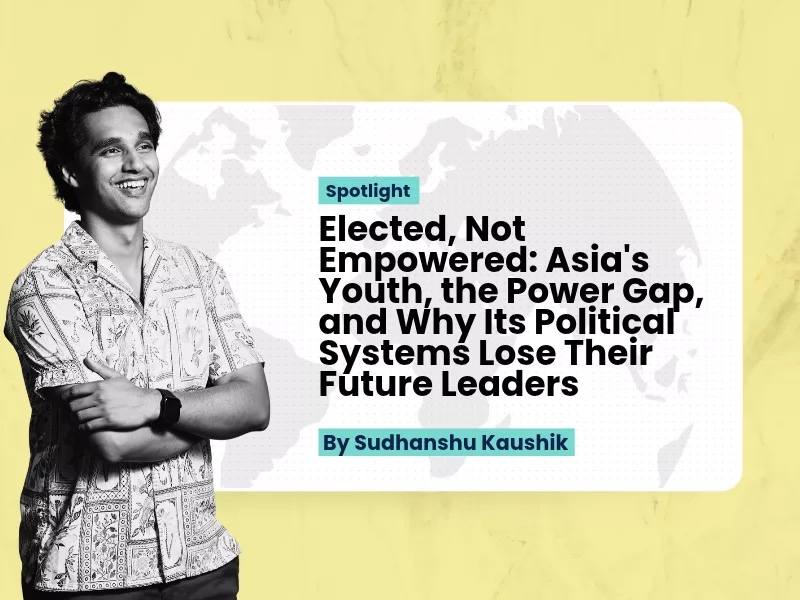
Elected, Not Empowered: Asia’s Youth, the Power Gap, and Why Its Political Systems Lose Their Future LeadersGlobal Youth Participation Index Spotlight, European Partnership for Democracy2026
Young people across Asia have shown they can force change from the street. This Spotlight asks why so few of them go on to hold formal power. Reading the Global Youth Participation Index, which scores 142 countries, alongside the Centre for Youth Policy’s After They Win survey of 100 young elected officials, it finds two barriers, not one: candidacy rules and party structures that keep most young people out of office, and institutions that leave those who do win without the staff, standing or authority to govern.
- 71%say winning office is easier than staying in politics
- 81%say parties field young candidates for visibility, not to build leaders
- 95%say their youth was prized on the campaign and discounted in office
- 90%would be likelier to seek a second term with adequate staff
ArgumentAsia’s young people are held back not by apathy but by design. The remedies are concrete: properly staffed offices for young officials, and youth quotas paired with electable list placement, so that civic energy becomes durable leadership rather than recurring instability.
PublishedGlobal Youth Participation Index Spotlight, European Partnership for Democracy, in partnership with the Centre for Youth Policy, 2026. Editor in chief Nic Cheeseman; peer reviewed. Funded by the European Union through the WYDE Civic Engagement project.
Read the SpotlightDownload the PDFExplore the Global Youth Participation Index
Youth and Political Change: The Rise of Gen-Z-Led MovementsChapter in Rethinking Frameworks for a Transforming WorldForthcoming
The Inheritance of DemocracyPenguin-Viking, forthcoming2028
After They WinCentre for Youth Policy2026
A 12-month survey of young elected officials on why so many leave office after one term, with six recommendations on staffing, renomination and institutional power.
- 100officials surveyed
- 73countries
- 71%say winning is easier than staying
- 90%say staff support would keep them running

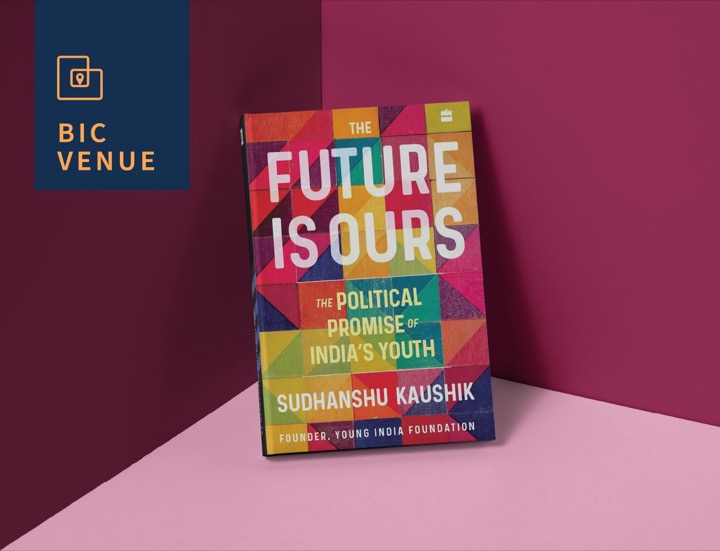
The Future Is OursHarperCollins India2023
The Future Is Ours: The Political Promise of India’s Youth asks what India is actually doing to prepare its young people to take part in shaping their own future. Written ahead of the 2024 general election, it is part explanation and part call to action: it traces the history of youth politics in India, analyses youth demographics and survey data on young people’s political beliefs, and measures how few young Indians sit in party leadership, state assemblies and Parliament. At its centre is the case for lowering the minimum age to run for office from 25 to 21, a reform with support across the political spectrum.
- 25 → 21the candidacy age reform it argues for
- 70%of Indians are under 30, per UN estimates cited in the book
- 248pages, paperback
- Dec 2023published by HarperCollins India
Publisher’s pageAmazonGoodreadsWatch the author conversationBook talk, Bangalore International CentreReview, Storizen
Conference presentations
Youth and Diaspora as Institutional Bridge-Builders: Rethinking Trust in Democratic GovernanceGraduate Research Symposium, Carter School, George Mason University2026
Declining trust in public institutions is one of the central challenges to peace, justice and effective governance across democracies. This paper examines how youth-led and diaspora-based political participation contributes to institutional trust-building and democratic renewal in the digital age. Rather than treating youth participation as peripheral or symbolic, it conceptualises young people as institutional actors whose engagement often crosses national borders and connects domestic politics to global norms of governance, justice and peacebuilding.
- Q1How do youth and diaspora-led initiatives reshape public trust in democratic institutions?
- Q2What new forms of accountability and participation emerge through digitally mediated, transnational civic engagement?
- Q3Under what conditions does youth participation strengthen institutions rather than fragment or polarise them?
ApproachInterdisciplinary, drawing on democratic theory, peace and conflict studies and political sociology. Qualitative analysis of youth organisations, advocacy campaigns and digitally enabled civic initiatives across comparative cases. Contributes to SDG 16 on peace, justice and strong institutions.
PresentedJimmy and Rosalynn Carter School for Peace and Conflict Resolution, George Mason University, Arlington, Virginia, 10 April 2026.
Youth Representation and Democratic Resilience in South Asia’s Changing International OrderISA South Asia2026
South Asia is home to one of the world’s largest youth populations, yet young citizens remain structurally underrepresented in its formal political institutions. As the international order shifts, through great-power competition, technological disruption, weaponised interdependence and contested multilateral norms, this paper argues that generational underrepresentation is an overlooked structural vulnerability shaping how South Asian democracies respond to external pressure.
It examines how party recruitment, electoral institutions and candidate selection translate demographic weight into political power, and shows that low youth incorporation weakens democratic legitimacy and policy responsiveness at moments of geopolitical realignment and economic restructuring, pushing mobilisation outside formal channels.
ContributionLinks comparative political institutions with debates on international order and democratic resilience, challenging the habit of treating foreign-policy positioning and domestic institutional performance as separate spheres. Generational representation becomes a critical variable in how states manage international transition.
PresentedInternational Studies Association (ISA) South Asia conference, 2026.
Honours
The long view
Young people are winning office. My work is making sure they have the power to do something once they get there, because what they decide will outlast all of us.
Featured on
- The Washington Post
- CNN
- The New York Times
- NDTV
- Times of India
- BBC
- ThePrint
- News18
- TED
- Voice of America
- ABC
- DW
- Village Square
- India Today
- Firstpost
- Scroll
- The Economic Times
- All Things Policy
- The Quint
- Netflix
- The PIE News
- HarperCollins
- The Michigan Daily
- Flywire
- Bangalore International Centre
Op-eds, television, podcasts and coverage30 pieces
Op-eds
The Times of India, Edit Page“Our unrepresentative people’s representatives”, with Shreyash Sharma2025 Scroll“There was great excitement about India’s young population. Why is it a ‘demographic disaster’ now?”2023 The QuintColumns on youth, politics and democracyOngoingTelevision
FirstpostPoV: a proposed four-year cap on US student visas2026 India TodayIndia–US trade relations2026 India TodayH-1B visa changes and Indian professionals2025 DW HindiBaebaak Isha: “Why is the world run by old men?”2025 NDTVVisa cancellation risks for Indian students2025 NDTV WorldA court blocks the deportation of an Indian student2025 NDTVA proposal to end work visas for international students2025 NDTV WorldUS student visa denials reach a decade high2025 NDTV WorldIs the US becoming unsafe for Indian students?2025 NDTV WorldTravel advisories for international students2024 NDTVIndian students and campus protests2024 CNN-News18The impact of US F-1 visa curbs2020 NDTVIndia’s evacuation of citizens stranded abroad2020Podcasts, interviews and talks
All Things PolicyIVM Podcasts and the Takshashila Institution: “The Political Promise of India’s Youth”2024 Swadeshi/VideshiHost of a podcast on India’s politics and historyOngoing Bangalore International CentrePolitical Promise of India’s Youth, book talk2024 Village Square“India needs more young people in politics”2024 HarperCollins IndiaThe Future Is Ours, author conversation2024 FlywireChats Without Borders2022 The Michigan DailyTalk to the UMich Indian American Student Association2021 The PIE NewsPIE Chat: the founder of NAAIS2020 TEDThe political future of Indian youth2019In the news
BBC News“Gen Z rising? Why young Indians aren’t taking to the streets”2025 The Economic TimesHow parties plan to reach first-time voters in 20242023 The New York TimesVaccine rules and international students2021 The Washington PostFront page: “Living in two realities”2021 Voice of AmericaUS visa changes create panic among Indian students2020Topics I speak and write on
Youth representation · young elected officials · youth at the decision-making table · meaningful youth participation · youth and the UN · youth in multilateral institutions · multilateralism · diplomacy · parliamentary diplomacy · inter-parliamentary cooperation · democratic governance · future generations · intergenerational equity · political communication · cultural microtargeting · the Indian American vote · the South Asian American vote · Indian American issues · Indians in America · international students · young parliamentary networks in West Africa, the Caribbean, the Nordic and Baltic states, the Pacific Islands and the Balkans
Work together
Working with young elected officials, on youth representation or on political communication? I'd like to hear from you.